
🗞️ Research Roundup
Can Cancer Prevent Alzheimers? | How Psychological Stress Directly Contributes to Cardiac Disease | Rising Rates of Early Puberty in Girls | Global Risk of Violence Towards Transgender Individuals

For those exposed to today’s intense blizzard in the US. I hope you are all staying as warm and safe as this dog and their owner playing outside my window.

Today, instead of sharing an essay I am giving summaries of, and links to, 4 recent research articles that stand out to me.
Some may have noticed that I’ve slowed down in my writing recently, this is just a sign of my life being more full of positive things that are keeping me away from the computer :) I still very much enjoy and appreciate writing and academic thinking and continue to have ideas to work on when time permits.
🧠Does Cancer Prevent Alzheimers?
In this January 2026 study posted in Cell tries to explain statistical observations that people with a history of cancer are less likely to develop Alzheimer’s disease. The study found that certain cancers release a protein called “cystatin C”, which can enter the brain and bind to the abnormal proteins thought to cause Alzheimer’s (Amyloid Beta). Cystatin C activates the brain’s immune cells (microglia) to break down and clear the Amyloid Beta.
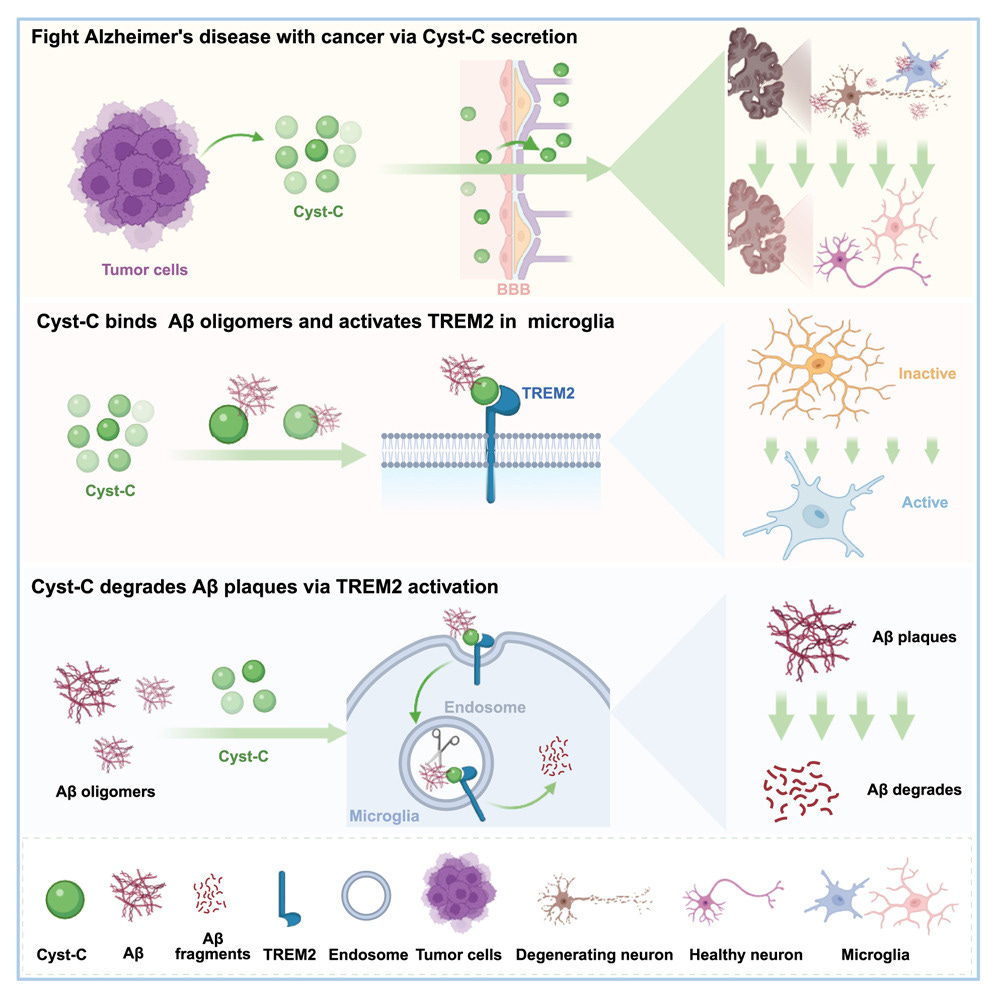
In labs models of Alzheimer’s disease using mice and other rodents, the introduction of Cystatin C reduced Amyloid Beta and improved cognitive performance, pointing to new potential therapeutic strategies.
🧠Stress Links Mental Health Issues to Cardiac Disease
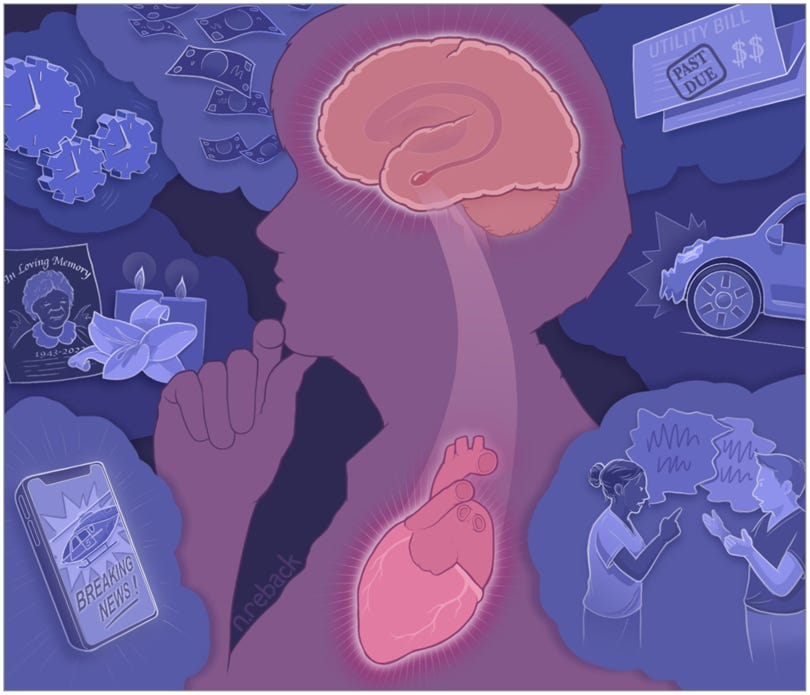
In a recent piece of medical news from The Journal of the American Medical Association, elaborates on science linking psychological stress to heart diseases. Beginning in the brain, when the balance between the Amygdala (fear center) and Prefrontal Cortex (logic, reasoning, emotional regulation) is disrupted, the brain cannot easily get out of a high stress state. This leads to a sustained release of stress hormones, like cortisol and adrenaline, through activation of the hypothalamic pituitary adrenal axis and the sympathetic nervous system. Over time, these hormones place strain on the cardiovascular system by raising blood pressure, increasing heart rate, and impairing blood vessel function. Chronic stress signaling also promotes low grade inflammation in the body, which accelerates atherosclerosis and increases the risk of heart attack and stroke. In this way, changes in brain stress circuits translate into hormonal and inflammatory effects that directly influence long term cardiac health.
🧠Girls Seem to Be Starting Puberty at Younger Ages
A recent news feature in Nature explores our most recent attempts at understanding why girls are starting puberty younger than ever, and the potential risks.
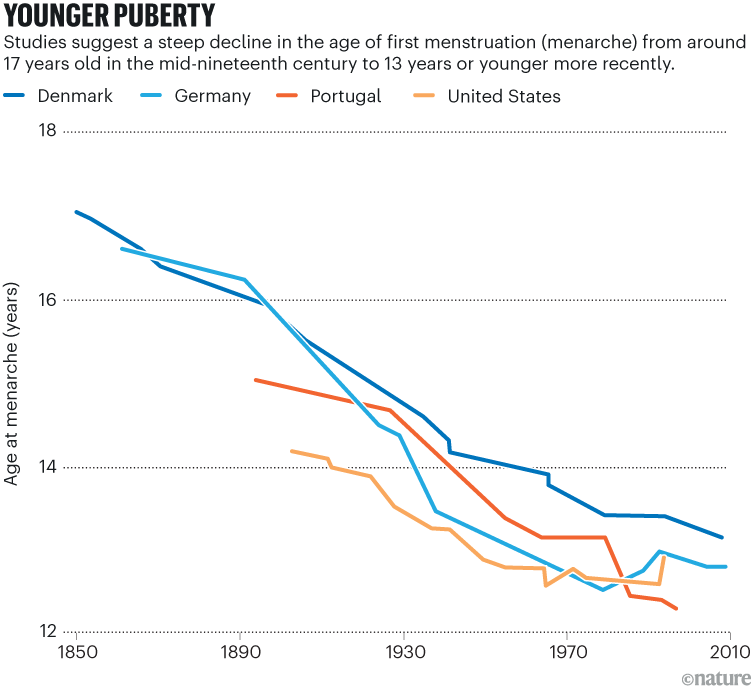
Theories on why puberty is happening sooner include rising obesity rates, artificial chemicals that are disrupting hormone signaling (including compounds found in vaporized nicotine products like JUUL, microplastics and even synthetic chemicals used in fragrances. Stress may be a factor as well, studies related to the impacts of COVID19 are helping elaborate these theories.
Observed risks of early puberty in girls include increased development of medical conditions like Diabetes and a higher likelihood of mental health issues like anxiety and depression.
🧠Transgender Individuals are Targets of Violence Around The World
This Meta-Analysis published in JAMA Network Open pools data from studies around the world looking at the burden of violence against transgender and other gender-diverse individuals. It included a pooled analysis of 94 studies with a total of 65 608 research-participants that measured the prevalence of physical or sexual violence. Across studies rates were as high as 64% for lifetime violence and 60% for recent violence. The pooled prevalence of lifetime physical violence was 36%, and that of sexual violence was 33%.
Reviews like this highlight the importance of giving support to transgender individuals, not just in words, but in action. Policy makers and cultural around the world should take studies like this seriously to help make real changes that can protect people from unnecessary violence and suffering.
While I'm not sufficiently schooled to understand the article in Cell reporting a possible protective effect of cancer with respect to Alzheimer's, this is certainly not a cause and effect relationship. I think the public often extrapolates a correlative relationship with causality. Sometimes, the press doesn't adequately explain this phenomenon which contributes to misinformation. Interesting stuff, Jason!